Explore our articles.
NEETs: a creative arts approach can be part of the solution.
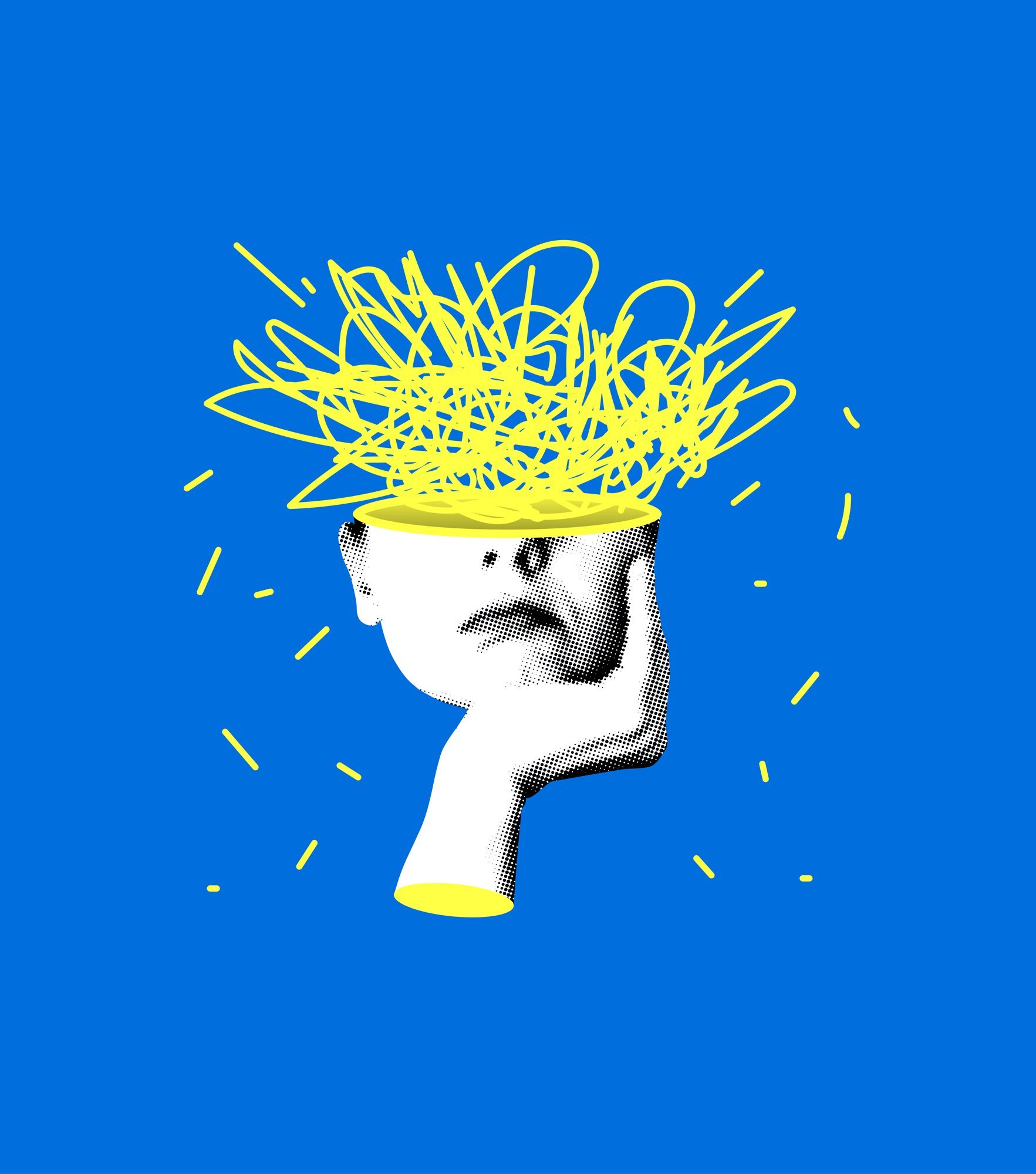
Nearly a million young people are out of education, work and training, and this week everyone has an explanation. We would rather show what can be done about it, in a primary classroom, inside a normal school week.
The word we gave away.
Somewhere along the line we handed the word “creative” to a small group of people and agreed not to ask for it back. Painters have it. Novelists have it. People with interesting glasses who work in advertising have it. The rest of us, the plumbers and nurses and accountants and parents, learned to say “oh, I’m not creative” in the same apologetic tone we use for “I’m hopeless with names.”
The children got there first.
At the beginning of autumn 2026, the grown-ups agreed that schools must be more human. But are the kids way ahead of the game?
Why we don’t ignite machines.
Everyone who enables learning is being asked to do more than ever: make sense of AI, hold attention in a distracted age, and reach every kind of learner, inside a crowded timetable, a packed training day, an evening given up to learn. Creative Ignition works alongside them, putting the creative arts at the heart of learning. Not as decoration, but as the way learning happens. Here is how, plainly.
Why it matters now. The £146 billion case for creativity.
Here is a fact that surprises almost everyone who hears it. The UK’s creative industries are worth more to the economy than aerospace, automotive, life sciences, and oil and gas combined. Not nearly as much. More.
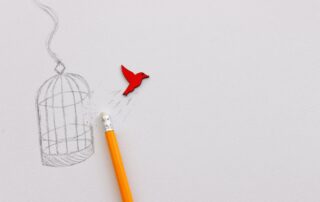
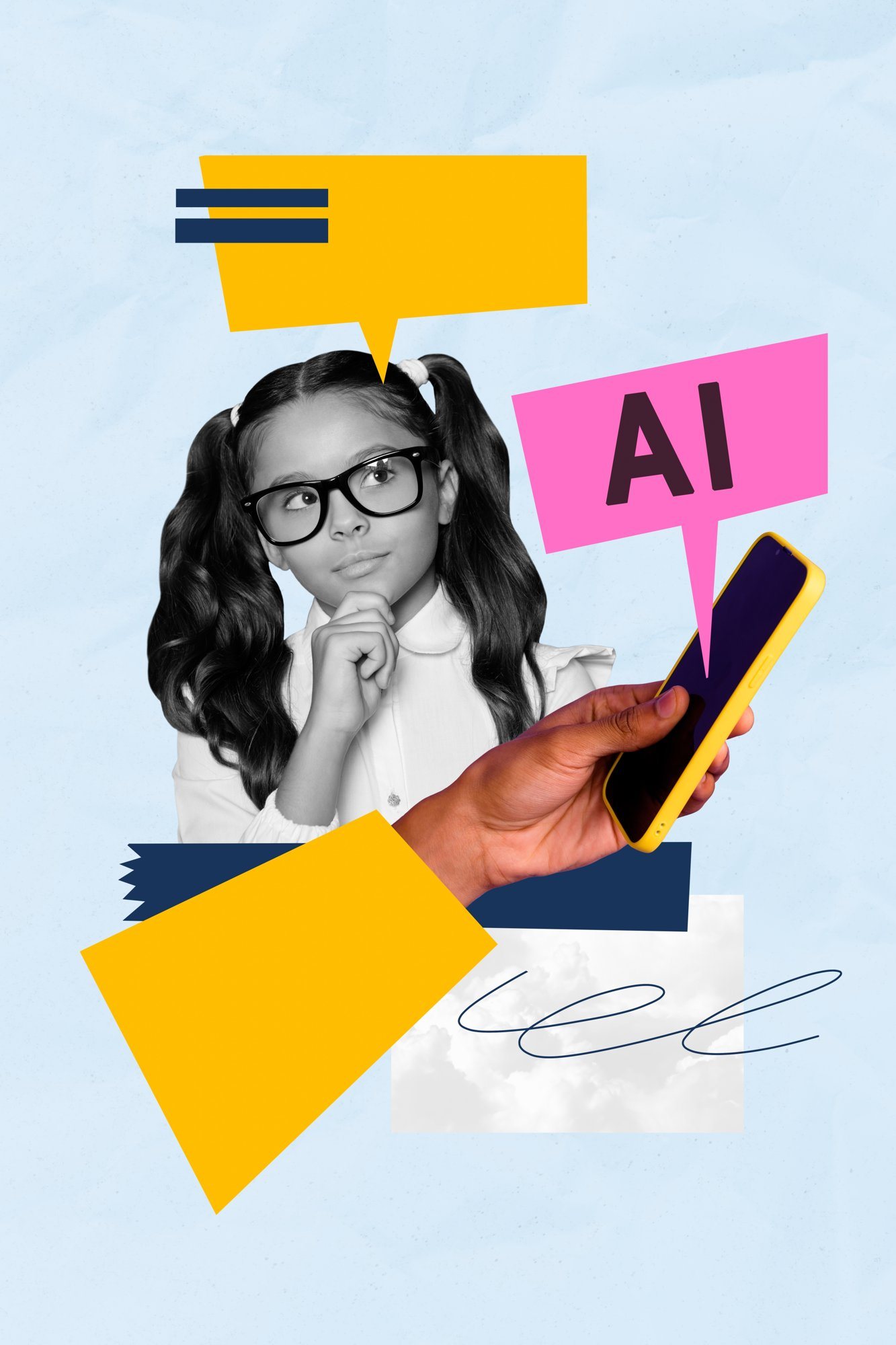
AI can write the essay. That’s exactly why creativity matters more.
A teacher wrote in The Times that he can no longer tell a pupil’s essay from a machine’s. He finds it worrying. He is right to. But the worry he names points to a more useful question than the one he asks.
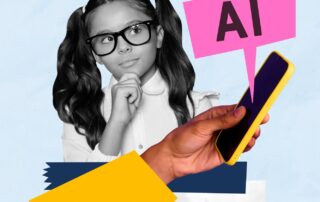
What employers want is made in childhood.
Talk to managers hiring graduates and the same thing keeps coming up. The graduates who struggle are rarely the ones short on technical polish. A machine can polish. The ones who struggle are the ones who cannot read a room, hold a disagreement without folding, or take an idea nobody asked for and carry it through to something real.
What a child knows that a machine doesn’t.
Ask any five-year-old to draw you a picture and watch what happens. There is no hesitation. No worry about whether it will be good. The crayon meets the paper, and a whole world arrives: a purple dog, a sky full of suns, a house with a door bigger than its roof. Children create the way they breathe. It does not occur to them to ask permission.